Join the Pet Food Institute (PFI) as we continue our look at pet food, from A to Z. Click here to revisit our previous post on proteins.
How Quality Assurance Protects the Food You Feed Your Pet
When you fill your dog or cat’s bowl, you are doing more than providing a meal – you are placing your trust in the people and processes behind that food. At Pet Food Institute (PFI), that trust is built on quality, transparency, and rigorous safety at every stage of production.
That is why quality assurance (QA) is at the heart of every step in the pet food industry. From ingredient sourcing to the final product on store shelves, QA systems ensure that pet food is safe, balanced, and made with the care and responsibility that pet owners expect.
Building Quality from the Ground Up
Quality assurance begins long before food is produced – it starts with ingredients. Pet food makers set detailed standards for every ingredient used in their products. Whether it’s a protein source, grain, vitamin, or mineral, suppliers must meet strict criteria for purity and nutritional content.
To confirm compliance, manufacturers often require their suppliers to follow Good Manufacturing Practices (GMPs) and pass supplier audits. Ingredients are tested upon arrival to verify identity, composition, and the absence of harmful contaminants. Every ingredient can be traced back to its source, providing traceability and accountability throughout the supply chain.
This commitment to traceability means that if a concern ever arises, pet food makers can quickly identify where an ingredient came from and where it was used – ensuring swift action and maintaining consumer confidence.
Ensuring Quality in Every Step of Production
Once ingredients are accepted, manufacturing takes place in highly controlled environments designed specifically for pet food safety. Pet food facilities operate under Current Good Manufacturing Processes in compliance with FSMA requirements. These globally recognized regulations ensure facilities are up-to-date and maintained in a manner to produce nutritious and high-quality pet food.
At each step – mixing, cooking, drying, and packaging – technicians monitor key factors such as temperature, pressure, and moisture to ensure consistency and safety. Automated systems, sanitation protocols, and employee training all work together to maintain a clean and controlled process.
Before products are released to retail, they undergo multiple layers of testing. Manufacturers analyze samples to confirm they meet nutrient guarantees, product standards, and quality parameters which ensure lot-to-lot consistency. Many also rely on independent third-party laboratories for verification, adding another layer of confidence.
Continuous Improvement: A Culture of Quality and Safety
Quality assurance is not a one-time activity – it’s a continuous commitment. Pet food makers invest heavily in research, innovation, and employee training to stay ahead of evolving safety and nutrition science.
Modern technologies, such as real-time monitoring and digital traceability systems, help QA teams identify and address issues faster than ever before. Facilities are routinely inspected, and staff receive training in sanitation, food handling, and process control. Manufacturers employ veterinarians, animal nutritionists, and food scientists who continually evaluate new innovations and formulations to optimize health benefits for pets.
This focus on constant improvement reflects a shared industry value: protecting pet well-being through every step of production.
Transparency Builds Trust
Pet parents today want to know more about where their pets’ food comes from, and that’s a good thing. Transparency is a cornerstone of quality assurance.
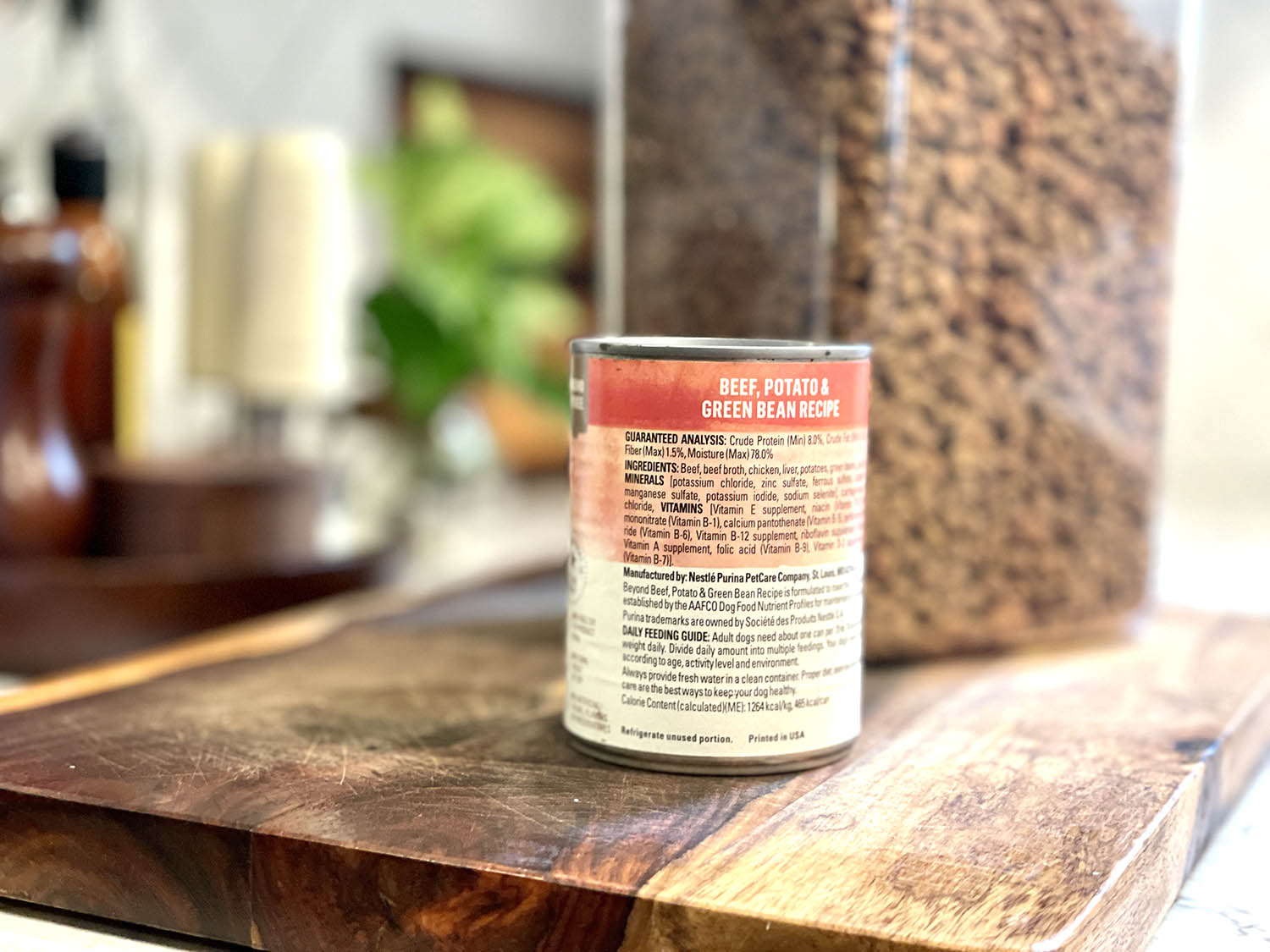
Manufacturers provide detailed information on the packaging labels about ingredients, nutritional facts, and feeding guidelines. Many also share insights online about their manufacturing practices, sustainability commitments, or quality programs. Batch codes and “best by” dates on packaging link each product to specific production data, offering traceability right in your hands.
In the rare event of a recall, these same systems allow companies to respond quickly and communicate clearly with retailers, veterinarians, and consumers. Swift, transparent action is key to maintaining confidence and ensuring pets remain safe.
Shared Responsibility: From the Factory to Your Home
While pet food makers uphold stringent standards, pet owners also play a role in maintaining food quality once it’s purchased. Proper storage according to the label’s instructions, such as keeping the product tightly sealed in the proper environment, helps protect freshness and prevent spoilage. Following feeding guidelines and checking expiration dates ensures your pet receives the right nutrition at its best quality.
The partnership between manufacturers, regulators, veterinarians, and pet owners is what keeps pets healthy and active. Quality assurance is the foundation of that partnership – an ongoing promise that the food in your pet’s bowl has been made with care, precision, and scientific integrity.
A Promise You Can Trust
For PFI and its member companies, pet food quality and safety are not just part of doing business – they are a shared responsibility and a heartfelt commitment. Every employee, from plant operators to nutrition scientists, understands the importance of the work they do – feeding pets safely and nourishing the bond they share with their families.
So, when your dog or cat eagerly greets mealtime, you can take comfort in knowing that behind every bowl is a network of dedicated professionals, rigorous standards, and constant vigilance all working to protect the health and happiness of the pets we love.